
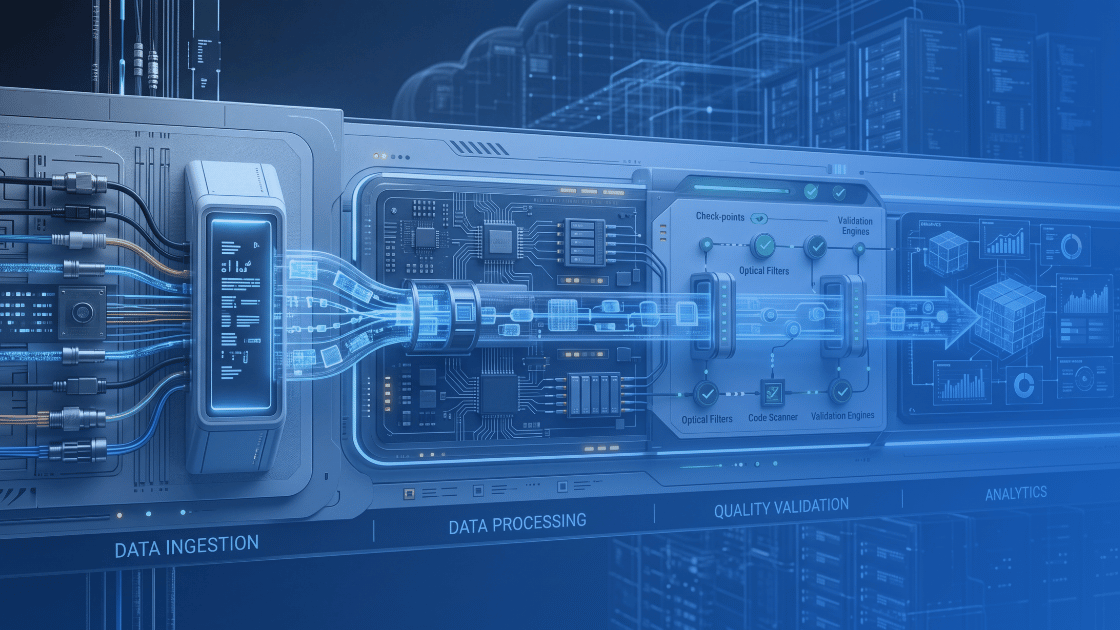

Moving financial data from one system to another sounds straightforward. In practice, it’s often one of the most complex parts of any implementation endeavor.
Teams often focus on the mechanics of moving data, whether through APIs, ETL tools, scheduled file transfers, or data platforms. But success is usually determined earlier in the planning process. Where does the data live? Is it complete enough for analysis, or do multiple data sources need to be combined? Do engineered data fields need to be generated from source data to create targeted insights? Which stakeholder(s) own the development, change management, and ongoing maintenance of the ETL pipeline?
Considering these questions before beginning your integration journey can help shorten implementation timelines, avoid unnecessary delays and rework, and establish a strong foundation for scalable automation.
1. Where does your financial transactional data live?
The ERP is often assumed to be the general source of truth, but this isn’t always the case. Some organizations centralize financial data into a data warehouse, data lake, or reporting platform. Understanding where the data originates and how it flows through your environment is the first step in planning an integration.
Questions to consider:
- Which ERP system do you use? Is it cloud, hosted, or on-premises?
- Does the data come directly from the ERP or from another reporting or analytics platform?
- How many data sources must be combined to provide the transactional and supporting data required for detailed analysis?
2. Is the transactional data detailed enough?
Not every dataset is suitable for every use case.
Summary reports may support reconciliation or management reporting, but detailed analysis often requires transaction-level records. Understanding the level of granularity available early helps determine whether additional extraction work is needed.
Questions to consider:
- Does the available data include transaction-level detail?
- Is any information lost as data moves into downstream reporting systems?
- Does the data source contain needed fields for investigation and error resolution of identified anomalies?
3. How is the data accessed today?
Many organizations already have established extraction processes.
Rather than building something entirely new, it’s often possible to expand existing APIs, ETL processes, reporting layers, or scheduled exports. Understanding the current state helps identify the most practical path forward.
Questions to consider:
- How is data currently extracted and moved throughout the organization?
- Are there existing data pipelines that could be extended rather than building a new integration from scratch?
- Who owns the current extraction processes and supporting infrastructure?
- Does an existing warehouse or reporting layer already contain the required data?
4. What Data Transformation Is Needed Before Ingesting Data into MindBridge?
ERP, data warehouse, and data lake extracts often require transformation before they can be ingested into MindBridge using standard import methods. The specific transformations required vary by ERP, reporting architecture, and use case, but most organizations need to perform some combination of data validation, standardization, enrichment, and mapping before the data is analysis-ready.
Questions to consider:
- Does the source data need to be reformatted to align with MindBridge’s required data model?
- Are all required fields available, or do additional data sources need to be joined together?
- Do field names, data types, dates, currencies, or account structures need to be standardized?
- Are there business rules or engineered fields that must be created to support specific insights or analytics?
- Will the data need to be split, aggregated, or reorganized to support organizational, regional, or entity-level reporting requirements?
- What validation checks should be performed before data is loaded into MindBridge?
- How will changes to source data structures, mappings, or business logic be managed over time?
5. What required supplementary files are needed (Chart of Accounts, Trial Balances, Account Groupings, User lists, etc.)?
MindBridge analyses are built with additional supporting information to customize the results to your organization, industry, and specific financial environment. Like transactional data, it’s important to identify and clarify key considerations for this supporting data as well:
- Who is the owner of these core reference files?
- What is your internal change management process for approval and implementing changes to these sources?
- Is the extraction process and/or data owners for these sources the same as transactional data?
6. What does your automation need to support?
Integration isn’t just about moving data once. It’s about creating a reliable process that supports ongoing operations.
Historical data requirements, refresh frequency, delivery methods, and operational ownership all influence the design of an integration.
Questions to consider:
- How much historical data is required?
- How often should data be refreshed?
- What delivery methods are available?
- Who will own and maintain the integration over time?
Build for the long term
Successful integrations begin long before the first API call or data extract.
By understanding your data landscape, validating data readiness, documenting ownership, and planning for operational support, organizations can build integrations that are easier to automate, easier to maintain, and better positioned to support ongoing financial analysis.
Whether leveraging APIs, ETL platforms, data warehouses, or scheduled file transfers, investing time up front in integration planning helps reduce implementation risk and accelerate long-term value realization.
If you’re ready to start building, the MindBridge Developer Portal provides APIs, SDKs, documentation, and implementation resources to help connect your enterprise environment to the MindBridge platform.
About the Author

Adam Hanzalik, CPA, is Director of Global Transformation & Experience at MindBridge, where he helps finance organizations navigate the future of work by combining accounting, risk, and internal controls expertise with AI and automation. With a career spanning Public Accounting & Fortune 500 companies, he focuses on transforming financial processes and enabling finance teams to deliver greater strategic value through technology.