AI is changing how accounting and finance work gets done, but the bigger question is what happens to the profession around it. As routine work becomes easier to automate, firms and finance organizations must rethink how they develop talent, build professional judgment, adopt new technology, and prepare their workforces for roles that may look very different from those of the past.
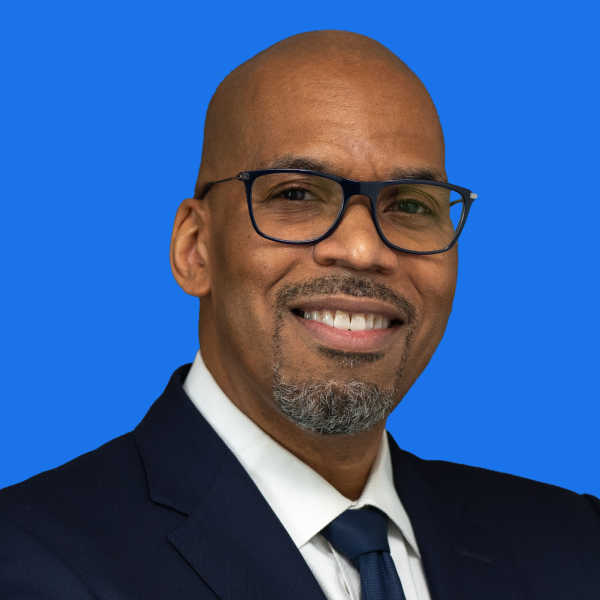
In this Vision 2026 fireside chat, Calvin Harris, CEO of the New York State Society of CPAs, joins TJ Smith, Director of Strategy and Partnerships at MindBridge, to discuss the forces reshaping accounting, finance, and assurance and what leaders can do to prepare.
Harris begins by describing the profession as being at an unusual inflection point. AI and emerging technology are arriving alongside changes in CPA pathways, alternative practice structures, private equity investment, outsourcing and offshoring, and new approaches to how accounting work is organized. Any one of these could represent a significant shift. Together, they are forcing firms and finance organizations to reconsider long-standing assumptions about the profession.
The conversation explores the uneven pace of AI adoption in accounting. Harris argues that adoption is not simply determined by firm size or practitioner age. Large firms may have greater resources, but smaller organizations can move quickly and stay close to their clients. Likewise, experienced professionals can be just as active with new AI tools as younger practitioners. Curiosity and willingness to experiment may matter more than generation.
But productivity is only the beginning. Harris cautions against treating faster execution of existing tasks as the ultimate goal of AI adoption. The larger opportunity is to determine what professionals can do differently with the capacity technology creates and how accounting organizations can become more strategic as a result.
That shift creates an important challenge for the profession’s traditional talent development model. Harris describes accounting as historically operating through an apprenticeship structure: junior professionals repeat foundational tasks, make mistakes, receive review from more experienced colleagues, and gradually develop judgment. As technology takes over more of those repetitive activities, firms need new ways to develop the experience and judgment that those tasks once helped create.
For early-career accountants, that changes what preparation for the profession looks like. Technical knowledge remains essential, but Harris argues that knowing when an answer is wrong is becoming increasingly important as AI can produce information quickly and convincingly. Professional judgment, skepticism, communication, and the ability to interact effectively with clients become more valuable as technology assumes more routine work.
The same transformation affects experienced professionals. Their existing technical and industry knowledge can become an advantage when combined with greater technology fluency. Rather than viewing AI adoption as primarily a generational issue, Harris encourages professionals at every career stage to experiment, learn from peers, and find the tools and approaches that fit how they want to work.
The discussion also examines workforce transformation and employee anxiety. As organizations reconsider staffing models and automate more tasks, uncertainty about job security is understandable. Harris argues that leadership communication is critical, even when leaders do not yet have every answer. Organizations should be clear about where they are trying to go, acknowledge uncertainty when it exists, and involve employees who often understand the work being changed better than anyone else.
From there, Harris and Smith turn to the importance of having a clear AI roadmap. Before selecting technology, organizations should determine what they actually want it to accomplish. Is the goal greater efficiency? More capacity? Growth? New services? A different client experience? Technology decisions should follow those objectives rather than become the objective themselves.
Smith also cites Gartner research during the discussion to illustrate the gap between AI use and formal AI roadmaps. The session uses that contrast to reinforce a broader point: adopting AI in some capacity is different from knowing what success looks like, measuring progress, and connecting technology investments to organizational goals.
The conversation closes with practical advice for accounting and finance leaders. Begin the roadmap conversation. Preserve and develop technical expertise. Invest in communication, professional skepticism, and judgment. Experiment with technology in controlled settings where teams can learn from mistakes. And do not treat efficiency as the final destination.
In the Q&A, Harris expands on build-versus-buy technology decisions, the declining role of manual processes, the growing importance of judgment and communication, and how technology may continue to change traditional accounting-firm structures and billing models.
The result is a wide-ranging look at the future of the accounting profession in which technology is only part of the story. AI may change the tasks professionals perform, but the profession still needs to determine how people develop expertise, exercise judgment, earn trust, communicate effectively, and prepare the next generation to lead.
Chapters
01:12 Welcome and introduction to Calvin Harris
05:26 The accounting profession at an inflection point
07:23 What AI adoption looks like across accounting firms
11:06 Firms, finance teams, and the next stage of AI adoption
14:12 Poll: Where organizations are in their AI journey
16:32 Moving from AI pilots to meaningful adoption
20:23 How AI changes early-career accounting work
23:54 Rethinking the accounting apprenticeship model
28:40 The skills accounting professionals need next
34:31 Technology and the experienced professional
39:18 Managing workforce transformation and employee anxiety
43:13 Leading through change with communication and transparency
44:54 Building an AI roadmap around organizational goals
50:36 Practical actions for accounting and finance leaders
53:29 Q&A: Technology decisions, judgment, and the firm of the future