






Finance 2030: Why CFOs Must Act Now to Prepare for an AI-Driven Future 

Finance 2030 will redefine how CFOs operate in an AI-driven environment. Learn what Gartner’s research signals about agents, governance, and the actions finance leaders must take now.

Finance is entering a period of rapid change.  According to new Gartner® research, the technology environment finance teams will operate in by 2030 will look fundamentally different from today. Conversational interfaces, AI-powered models, and intelligent agents are reshaping how finance work gets done and shifting where finance delivers its greatest value.  The message for CFOs is clear: this transformation is already underway, … Read more

How CFOs Can Drive Cost Reduction with Procure-to-Pay Automation 

Procure-to-Pay Automation

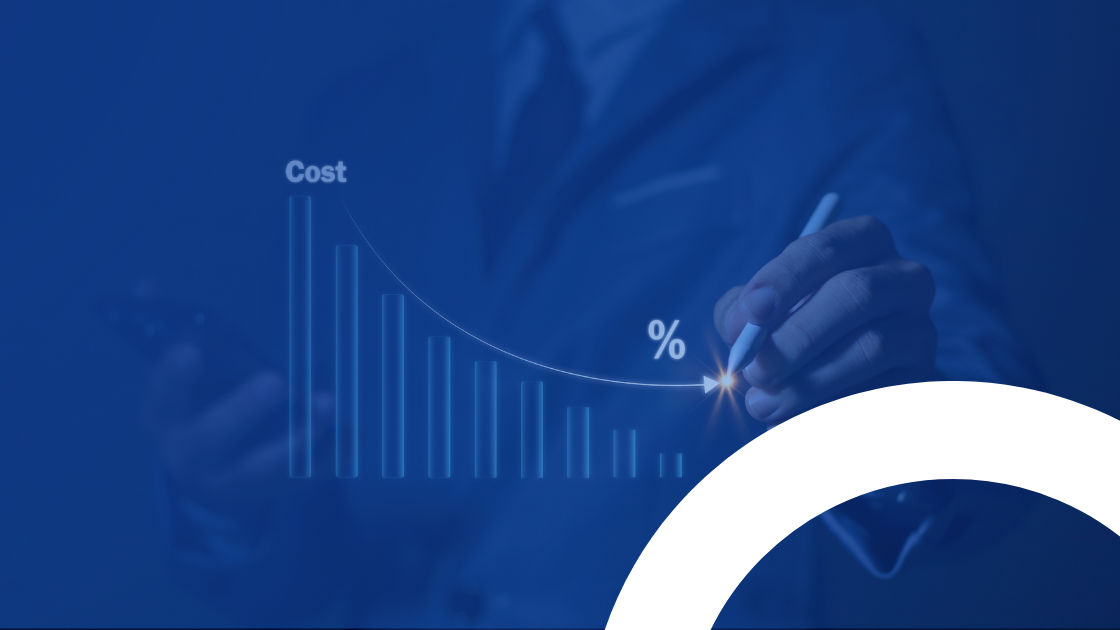
Cost reduction fails when it targets cost too late.  By the time spend shows up in reports, the decisions that created it (vendor selection, pricing terms, approvals, exceptions) are already locked in. Finance is left to explain outcomes rather than shape them.  That is why CFOs are rethinking procure-to-pay automation. Not as a workflow upgrade, but as a way to structurally … Read more

CFOs Are Reframing the Finance Stack to Manage Profit Variability 

Featured in CFO Tech Outlook, this article explores how the CFO finance stack is evolving to control profit variability and strengthen decision confidence.

(As featured in CFO Tech Outlook)  Profit variability has become one of the most persistent challenges facing CFOs. As enterprises move faster and financial complexity increases, small breakdowns in visibility can quietly compound into material performance risk. In a recent featured article for CFO Tech Outlook, we examined how leading finance teams are responding to … Read more

P2P Risk and Operational Resilience: What CFOs Need to See Earlier 

Hidden Procure-to-Pay (P2P) risks quietly erode operational resilience. Learn how CFOs use continuous monitoring and explainable AI to surface spend risk earlier, protect margins, and strengthen enterprise confidence.

Operational resilience is not lost in a single failure. It erodes quietly through small breakdowns in everyday processes that compound over time.  For CFOs, one of the most common sources of that erosion sits inside Procure-to-Pay (P2P). Across vendor onboarding, invoicing, approvals, payments, and reconciliations, minor inconsistencies can scale into margin leakage, compliance exposure, and loss of confidence … Read more

Strategic Spend Management: Moving Beyond Cost Cutting to Insight-Led Value Creation

Learn how business spend management is evolving beyond cost cutting. Discover how CFOs use strategic spend intelligence, continuous monitoring, and explainable AI to protect margins and create enterprise value.

Cost-cutting is easy. Value creation is not.  In volatile markets, CFOs are under pressure to reduce spend while still funding growth, protecting margins, and maintaining control. Across procurement, payroll, vendors, and shared services, spending decisions compound quickly—and small blind spots scale into material risk.  This is why business spend management is evolving. What was once treated as a cost-control function is … Read more

Margin Analysis Under Pressure: A CFO Playbook for Profit Protection

Learn how CFOs use margin analysis to find margin leakage, improve forecast confidence, and build continuous monitoring across cost and revenue drivers with explainable AI.

Volatility has changed what margin analysis needs to do.  When tariffs can swing input costs overnight, when liquidity is strained by buy-ahead inventory decisions, and when cost-cutting must occur without disrupting the business, finance teams cannot afford to discover margin issues after the close. They need a way to detect margin leakage early enough to act, … Read more

Why CFOs Are Rebuilding Their Tech Stack to Eliminate Profit Variability

Profit variability is draining up to 8% of EBITDA. Discover how CFOs are rebuilding their tech stack with AI to unlock hidden value and reduce waste.

The cost of inaction is rising. Gartner estimates that 3–8% of EBITDA is lost annually to leakage, missed opportunities, and margin inefficiencies. But the culprit isn’t bad leadership—it’s limited visibility. Traditional tools weren’t built to unify operations at enterprise speed. And when blind spots go undetected, profits quietly bleed.  This is why finance leaders are rebuilding the enterprise architecture beneath their tech stack.  As Karthik Manimozhi, … Read more

Adapt or Fall Behind: Why CFOs Are Betting Big on AI

Learn why CFOs are betting big on AI adoption in finance. From cost savings to better decisions, see how AI is reshaping the CFO role today.

AI adoption in finance is no longer a matter of if; it’s a matter of when and how fast. According to our latest MindBridge CFO AI Adoption Survey, a full 80% of finance teams have already moved beyond research and are actively using AI to improve operations, identify risk, and drive better decision-making. This shift … Read more

AI-Powered Financial Risk Management: A CFO’s Guide to Growth & Resilience 

Financial risk management is evolving. Discover how MindBridge’s AI-powered financial intelligence delivers continuous risk monitoring, proactive anomaly detection, and audit-ready compliance insights—helping CFOs optimize financial oversight, strengthen internal controls, and drive strategic growth.

The New Reality of Financial Risk Management  Financial risk management is no longer just about compliance and loss prevention—it’s about enabling enterprise growth. Today’s CFOs are tasked with balancing risk-adjusted decision-making while ensuring operational efficiency, regulatory compliance, and strategic agility. However, legacy risk management models—rooted in fragmented data, manual oversight, and static assessments—are failing to … Read more

Operational Risk Management: AI Tools and Best Practices for Finance and Audit

Learn how to master operational risk management in finance and auditing. Discover AI tools and strategies to identify, mitigate, and monitor risks effectively.

Operational risk poses a significant challenge for organizations, threatening financial stability and reputations alike when internal processes, systems, or external events fail. For all organizations, operational risk management is essential to protect against costly disruptions. Risk identification, assessment, mitigation, and monitoring are the pillars of operational risk management. Many methods are used to conduct these … Read more

Simplifying remote audit using AI auditing software

AI for remote auditing

The explosion of remote work is one of the biggest shifts to come out of the COVID-19 pandemic. Social distancing rules and concerns of employee safety have forced many to settle into working from home. But what does that mean for the future of remote audit, and for the auditing software that makes it possible?

For accounting firms specifically, the necessary distance created by COVID-19 has meant a major increase in remote auditsWhile the process of embracing remote audits hasn’t exactly been easy for accounting firms, many are now turning to artificial intelligence (AI) to automate data assessment and analytics to retain the quality of their audits, while making remote work simpler and more efficient. Below, we’re exploring some of the challenges of remote auditing and how using AI in remote audits can be a game-changer.

Accountants weren’t prepared for sharp increase in remote audits

In the world of COVID and social distancing restrictions, the typical site visits that take place during audits have been put on hold. What was once a routine process of going into the field to comb through financial data, speak with key employees, check internal controls, and handle other in-person tasks has all been diverted online. 

The problem is that many accountants weren’t prepared for this shift. A recent survey by IMA and Deloitte, which polled over 800 finance and accounting managers, showed that 75.7% of respondents said their company’s accounting processes are either largely manual or are still a considerable manual effort. 

Because of this, the majority of auditors working remotely are facing big challenges. For one, figuring out how to securely access a company’s financial data is not always straightforward. Companies today are acutely concerned about cybersecurity risks and adhering to data and privacy protection regulations. To successfully handle remote audit engagements, accountants must choose solutions and tools that are fully hardened and meet cybersecurity best practices. 

Fraud is on the rise during the COVID-19 pandemic

Even with secure access to general and sub-ledgers as well as other information, detecting risks across financial data has become harder. The fact is, fraud is on the rise as a result of this pandemic. Not only are companies under a lot of pressure to minimize loss and meet fiscal projections, but it’s extremely difficult to monitor internal controls when key employees are working from home. 

For instance, an article in Accounting Today titled ‘The craziest work-from-home expenses of 2020’ shows just how outlandish some fraudsters have been with expense claims during COVID-19. Everything from a $7,600 facelift which was listed under ‘Repairs and Maintenance’ to €200 worth of tea which was credited as an ongoing company perk is being flagged. For every instance of fraud that is caught, another illegitimate expense could easily slip through the cracks. 

To help counteract these new work-from-home challenges, 40% of respondents in the IMA and Deloitte report said that they’ll be implementing more automated tools in the future. Uniquely, just over 20% of those respondents are focusing on AI. That’s because whether in an office or at home, accountants can use AI auditing technology to strengthen remote audits and simplify everything from building an audit plan to identifying and assessing risks. 

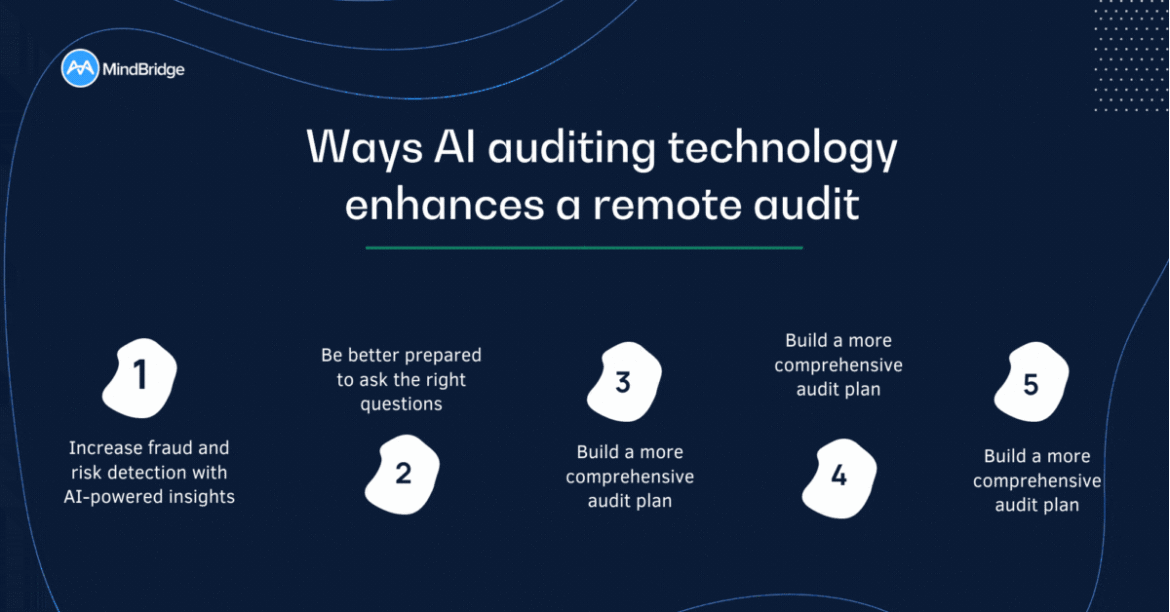
5 ways AI auditing technology enhances a remote audit
Why AI auditing technology enhances a remote audit
  • Increase fraud and risk detection with AI-powered insights – With fraud on the rise, accountants must be hypervigilant when combing through all financial data. Truly AI-embedded auditing software helps auditors run multiple algorithms across all client transactions simultaneously and cross-correlate data using dozens of testing criteria. Auditors can then effectively identify all potential risks or fraud within the financial data and negate the weakening effects that work-at-home situations have had on internal controls. By taking this data-first approach, auditors can also detect anomalies such as rare monetary flows and unique account activity which can be difficult, if not near impossible to anticipate or test manually. Working remotely with AI auditing technology essentially enables auditors to get a better understanding of risks across a client’s financial data.They can then focus on delivering quality assessments and audits and offer their clients more data-driven value.  
  • Be better prepared to ask the right questions – With AI auditing software, accountants can become more effective at identifying real risks and anomalies versus a firm’s typical transactions. They can then direct resources to investigate those potential red flags and become better prepared when conducting interviews or gathering more information from clients. Honing in on riskier transactions and asking the right questions helps to enhance the accuracy of remote audits and ensures auditors deliver strong financial insights to their clients.
  • Build a more comprehensive audit plan An AI platform will rank transactions based on risk level. The MindBridge risk discovery platform also gives accountants an intuitive visualization dashboard that shows a holistic view of a client’s financial transactions from month to month. This makes it easier for auditors to spot risks during remote audits and dive deeper into the data that stands out based on their professional judgment. These risk-based AI rankings also help to confirm an auditor’s own risk assessments and build a more comprehensive plan for the remote audit engagement

Learn more about how MindBridge can help you sample less, and discover more.

  • Work with a secure cloud platform to access financial dataChoosing secure cloud-based AI auditing software can make all the difference in remote audits. Not only is it easy to upload and share financial data from various accounting software platforms, but leading AI auditing providers will offer solutions with built-in cybersecurity features and SOC 2 Type 2 compliance certifications. Sharing these details with customers before remote audit engagements can help ease cybersecurity concerns. 
  • Get hands-on support for data ingestion and analysisWorking with new technologies to facilitate remote audit engagements can be overwhelming to some firms. Having hands-on support from solution experts can help ease the transition. Both auditors and their clients will feel confident knowing they have support at the ready should they have questions or need guidance. This support also ensures they get the most value from the AI auditing software. 

Thinking long-term about AI for remote audit

As accounting firms everywhere navigate the challenges of remote audits,  groundbreaking auditing technologies  are just some of the tools helping them identify financial gaps and ensure quality assessments. And though work-at-home mandates may not last forever, the benefits of AI technology can. Accounting firms that choose to leverage AI technology for remote audits today will continue to see returns on this technological investment well after this pandemic subsides. 

Are you wondering how to work new technologies into your existing audit process or what other benefits they can offer? Check out our article, “Should you update your audit methodology?

Ready to embrace AI to strengthen your remote audit?

Contact our team to schedule a demo of the MindBridge risk discovery platform. 

Should you update your audit methodology?

Should you update your audit methodology? | MindBridge

Does your audit methodology need a facelift?

When most people think of an auditor, they picture someone working away on a calculator with a gigantic stack of paper beside them. Invoices, transactional documents, payroll documents, let your imagination run wild. The point is, there’s always a stack of paper, albeit some have started to become digital in form. But, what if an updated audit methodology and audit process could change that?

But just because something was popular once, definitely doesn’t mean that it’s the best way to go about things. Take Pet Rocks for example. Tell me with a straight face that Pet Rocks were a good idea.

Audit best practices and compliance are constantly evolving, especially as data sets increase, remote audits become more prevalent and regulators/standard setters look for more analytically driven procedures. This also means that maintaining SALY (Same as Last Year) will challenge firms in staying relevant to their clients, risk of client acquisition or retention, and have peer reviews/inspections/audits scrutinized more thoroughly. To continue to offer clients top quality audits and risk assessments, add new value to their clients and win more business, auditors should routinely evaluate their audit methodology and process.

Here are just a few points to keep in mind if you’re on the fence about updating your audit process.

Audit evidence standards are modernized

Now is the best time to work on new engagement models, modernization and change. Sure it can be hard, we hear you, but the reality is that the industry has moved, and it’s to be expected that firms and individual auditors will need to keep up.

The American Institute of CPAs (AICPA) recognized that fact when it released the Statement on Auditing Standards (SAS) No. 142 Audit Evidence in July 2020. The new audit evidence standard, which takes effect for financial periods ending on or after December 15, 2022, modernizes private company auditing standards and includes significant updates around how technology and automation can be leveraged throughout the audit process.

“Our substantially revised standard addresses the evaluation of audit evidence and has been modernized to reflect our current business environment,” explained Bob Dohrer, CPA, CGMA, AICPA Chief Auditor, in a press release. “It recognizes the use of automated tools and techniques such as audit data analytics, AI, and remote observation tools to obtain audit evidence.”

With so much of the audit process tightly wrapped up in regulation, this new standard represents a huge step toward the future of the audit industry and acknowledges the ever-evolving nature of business.

For more detailed information on this new standard and what it means for your business, check out our blog, “How the new SAS-142 audit evidence standard embraces technology and automation.” 

AI won’t replace auditors

When it comes to implementing new technology into your audit methodology, you might be thinking, ‘But what about my team?’

Since the dawn of technology, there has been apprehension about robots and machines replacing jobs done by humans. But here’s the thing: artificial intelligence will not replace auditors, but auditors using AI will replace those who are not using it. In fact, data science can augment an auditor’s experience and judgement.

Now, there is reasonable concern around AI’s ability to conduct an effective audit, and whether or not regulators are going to embrace these technologies as sources of high quality risk assessment and evaluation. But, as the revised ISA 315 audit standard shows, regulators are inching closer to the adoption of industry-changing technological changes, such as integrating data analytics into the formal audit process.

It’s safe to say that accounting and audit firms that embrace new technologies will dominate the market. The bottom line is that AI is about task replacement, not human replacement. 

Want to learn more about how auditors are using AI?

The continuing implications of COVID-19

Before the global COVID-19 crisis, technology and automation were already on their way to becoming the future audit process norm.

However, the global pandemic underscored the need for the audit industry to more readily utilize new technologies. COVID-19 made change unavoidable and advanced the future of auditing and disrupted a long-standing complacency that had settled over the audit industry

While the pandemic may be temporary, many of the changes it has brought will be permanent.

There’s no question that COVID-19 has transformed how many firms will work and collaborate going forward. Since more teams are working remotely, a cloud-based AI auditing platform can simplify data sharing and ensure cybersecurity best practices are in place for the new norm of remote audits.

With AI-embedded auditing tools like MindBridge, customers can experience a more streamlined and integrated audit and risk discovery process.

It’s also important to keep in mind that just as your team is working remotely nowadays, so too are your clients’ teams. Providing a remote-friendly audit approach means your firm will be more relevant to current and potential clients, which, in turn, gives your firm a competitive advantage

An updated audit methodology can add value for clients

Businesses have traditionally seen audits as simply a compliance exercise, and that auditors merely verify if financial statements comply with standards, and find out whether or not their transactions look risky.

However, that perception is changing, and clients are now expecting more services than a calculator and Excel spreadsheet can offer.

Financial technology and automation have given rise to a component that’s changing the audit field: insights. AI-embedded audit tools allow for detailed risk assessments and insights, which provide added value to a client and result in higher quality audits altogether.

The future of auditing will have a heightened emphasis on exploring data trends, studying risk characteristics, and real-time transaction analysis. With these capabilities, auditors can gain a deeper understanding of their clients’ financials. At the same time, clients have greater confidence in the audit process. 

When it comes to audits, clients now want more than a rear-view mirror perspective. They want to know what to keep an eye out for.

That’s why diversifying your firm’s offerings will be fundamental to longevity and growth in the future world of audit. Adopting an AI-embedded risk discovery and audit procedures not only makes audits more effective and efficient, but also allows for expansion into advisory and transaction services. Modifying and diversifying services adds incredible value for clients and can lead to a more regular income stream for firms, not to mention smoothing your delivery timing and ridding teams of rote and menial tasks. 

Embracing change in your audit methodology

Let’s be honest, not everyone embraces change. It can be intimidating; it’s new and unknown. It can take a lot of effort and planning to put something new into action. But more often than not, change is beneficial. 

Evolving and implementing new practices is an essential part of doing business today. It’s safe to say that a retail business that doesn’t utilize technology to have an online presence would most likely fail in the marketplace today (let alone tomorrow).  

Of course, updating your audit methodology doesn’t happen overnight. It can be a long and tedious process that may even require some research on change management best practices. An important aspect of changing your audit methodology is finding an approach that’s right for your team.

At MindBridge, we can help you develop your new audit process that meets both your needs and the needs of our clients. While there are many unknowns about the future of audit, one thing is for certain: AI will be a part of it.

Want to learn more about how AI is reshaping the audit industry? Register for our on-demand webinar “Demystifying artificial intelligence and the impact on auditing.”